Why Denver Homeowners Should Test for Asbestos Before Water Damage Restoration
Published: 2026-05-02 · By AquaFix Water Damage Restoration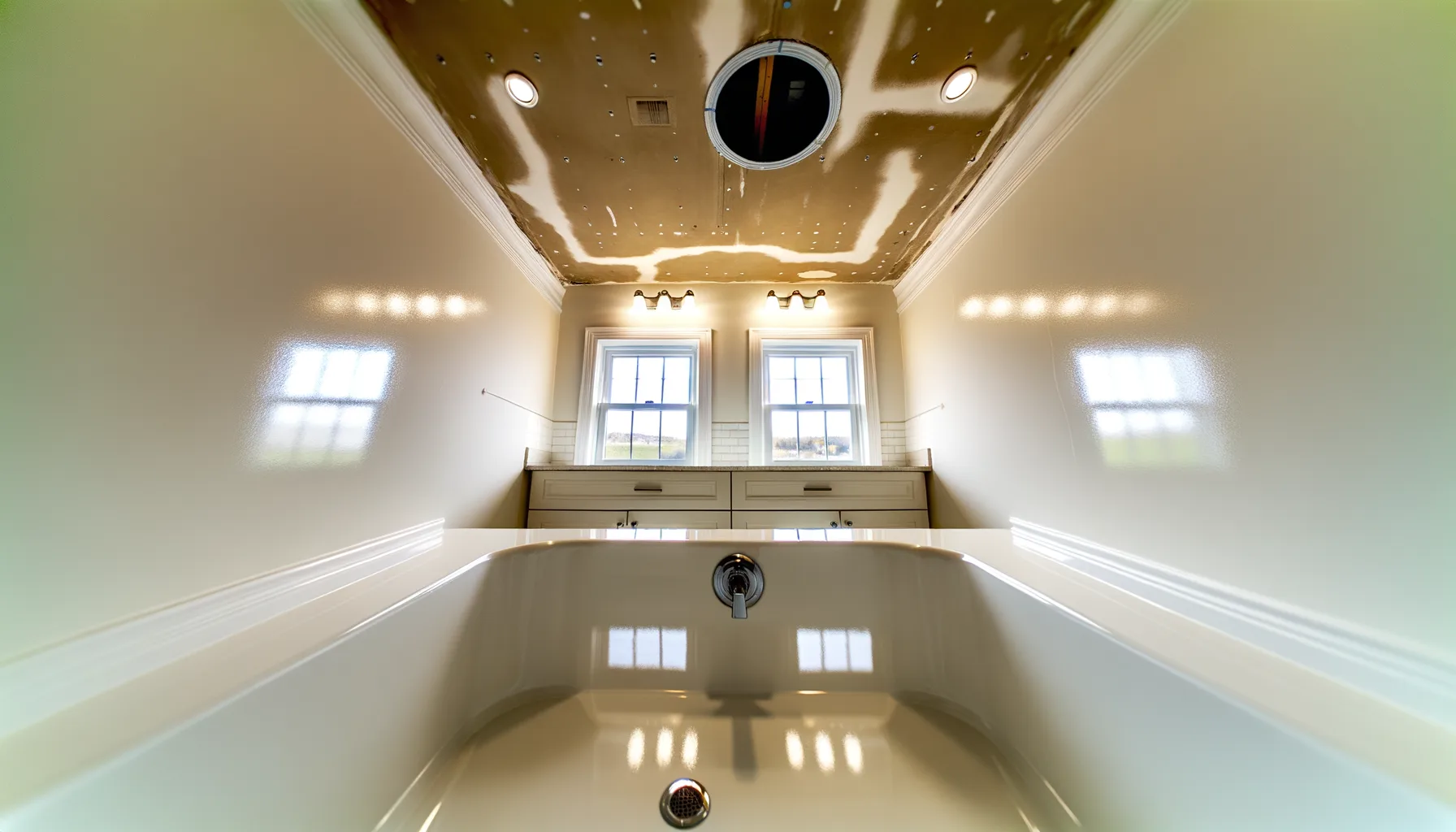
As a Denver homeowner, you know that heavy melting snow or a sudden hailstorm can be detrimental to your property. But what happens when water damage exposes hidden threats like asbestos? In homes dating back to the 1980s, especially those built on expansive clay soils, there could be materials that not only damage your structure but also pose severe health risks. Understanding the importance of testing for asbestos before embarking on restoration work is crucial.
Why This Matters for Denver Homeowners
Your unique Denver home may contain asbestos, particularly in ceilings, flooring, and insulation if it was built before the 1990s. The dangers of asbestos are especially pertinent when you consider the potential for hidden damage, especially after a water crisis. Water can disturb these materials, releasing hazardous particles into the air and exposing your family to severe health risks.
Given Denver's rapid temperature swings and relentless snowmelt, homes often experience significant structural stress. This is exacerbated if you have expansive clay soil, which may worsen the damage caused by water. Ensuring that you address these factors before commencing restoration is essential.
**Tip:** Always consider getting an asbestos test done prior to commencing water damage restoration to safeguard your family's health.
Furthermore, Denver's building codes mandate strict adherence to asbestos regulations. Failing to comply can lead to significant fines and delays in restoration projects. Knowledge of asbestos presence before restoration work can save you from unnecessary complications.
Expert Solutions & Actionable Tips
1. The Importance of Professional Asbestos Testing
Attempting to identify asbestos on your own is not only risky but can also lead to costly mistakes. Professional testing can cost anywhere from $300 to $800, depending on the extent of the area being tested.
A certified inspector will take samples in a safe manner and can provide results typically within 48 to 72 hours. This essential step ensures that you are fully aware of any hazards before moving forward with restoration, tailored specifically for homes common in the Denver area.
2. Recognizing Common Asbestos-Containing Materials
In many Denver homes, you might find asbestos in older floor tiles, insulation, or textured ceilings. If your home was built before the 1990s, it’s advisable to have these elements tested, especially after water damage, as moisture can disturb these materials.
Identifying these areas can save you enormous amounts of money in remediation costs down the line. Don't overlook this critical detail when dealing with water issues!
3. Investing in Safe Remediation Measures
Once asbestos is confirmed, remediation costs can range from $1,500 to $3,000, depending on the materials involved and the size of the area needing remediation. It's crucial to hire licensed professionals for this work.
In Denver, companies like AquaFix Water Damage Restoration can help manage both the cleanup of water damage and the safe removal of asbestos to streamline your restoration process.
4. The Risks of DIY Removal
Opting for a DIY approach to asbestos removal can put you and your family in danger. Without proper training, you'll be at risk of inhaling harmful fibers. Removing asbestos is a task that should always be left to experts.
In Denver, liabilities associated with improper removal can lead to fines and health risks, underscoring the need for professional assistance.
5. Understanding Local Regulations
The city of Denver has strict laws governing asbestos removal during renovation projects. Before beginning any restoration that involves asbestos, it's vital to check with local authorities regarding the necessary permits and safety protocols to follow.
Failing to comply with these regulations could result in legal repercussions. Know your local laws to ensure you're not at risk of delays in restoration.
6. Planning Your Water Damage Restoration
Restoration projects can vary in timeline, typically lasting from a few days to several weeks depending on the extent of water damage and the presence of asbestos.
By planning ahead and scheduling tests and potential remediation, you can avoid impacts on your daily life and ensure a complete restoration that conforms to safety standards.
Denver Climate & Local Context
Denver's climate presents unique challenges for homeowners. Rapid temperature swings lead to freeze-thaw cycles that place immense stress on building materials. Additionally, hail storms and significant snowmelt can contribute to water damage, impacting homes built on expansive clay soils.
These soils create drainage issues that can exacerbate water-related problems, often leading to the need for extensive restoration work. As a result, Denver's building stock frequently includes older properties that might still contain hazardous materials like asbestos.
Before you embark on any restoration efforts, it's vital to factor in both the environmental challenges and local building regulations that pertain to asbestos. To ensure compliance and safety, involve professionals that understand Denver's specific requirements.
When to Call a Professional
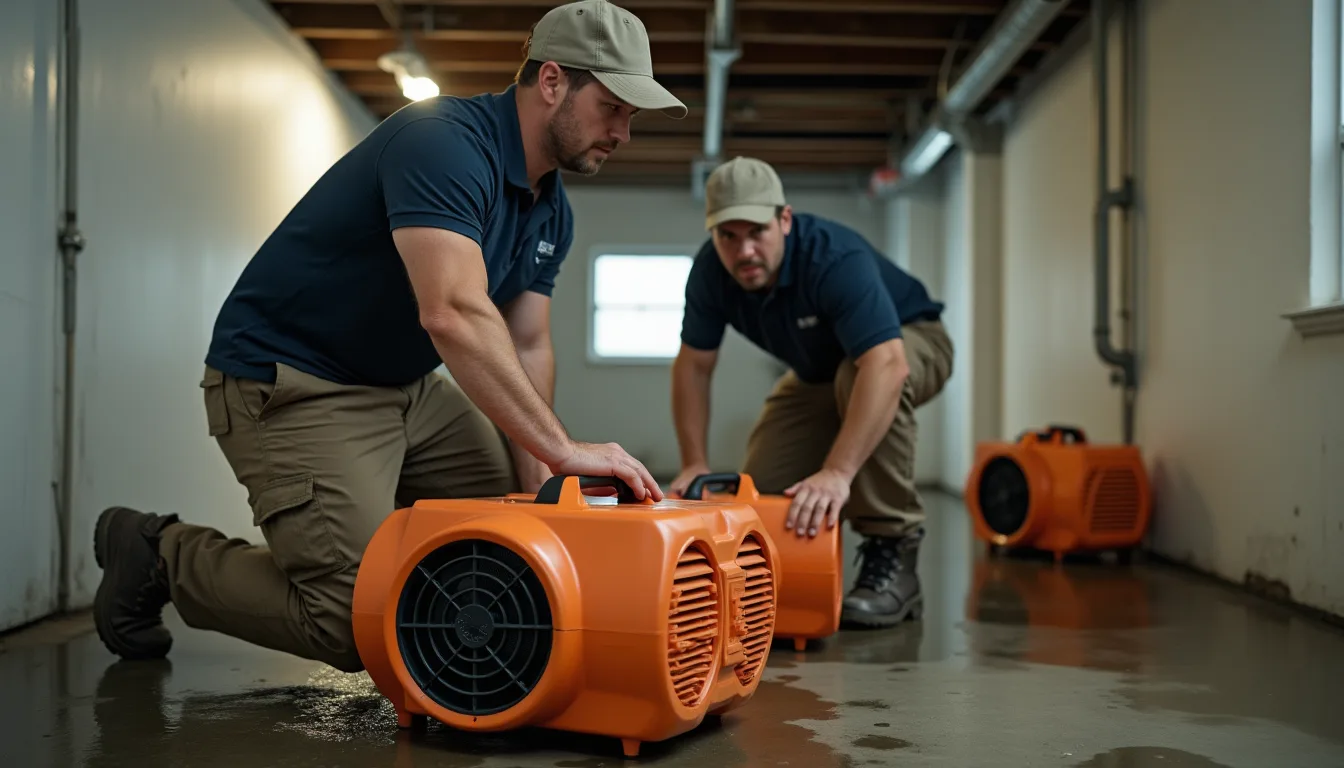
Determining whether to tackle water damage restoration yourself or hire a professional involves assessing the extent of the damage. If the water intrusion is minor and affects only a small area, DIY methods are often feasible. However, when the damage is widespread or involves potential asbestos, it’s crucial to contact professionals.
- Visible mold growth exceeding 10 square feet.
- Water damage from sewage or flooding.
- Signs of significant structural damage, such as sagging ceilings.
- Presence of old building materials, especially in homes built before the 1990s.
- Persistent water damage that doesn't resolve quickly.
- Health issues such as respiratory problems following water damage.
When unsure, always err on the side of caution. AquaFix Water Damage Restoration specializes in identifying and managing health hazards during restoration.
Frequently Asked Questions
What is asbestos and why should I be concerned about it?
Asbestos is a naturally occurring mineral that was used in many building materials for its heat resistance. Concerns arise because when disturbed, it can release tiny fibers that are harmful when inhaled. Homeowners in Denver should be particularly cautious when dealing with older homes.
How can I tell if my home has asbestos?
Identifying asbestos on your own can be challenging. The best approach is to hire a certified inspector who can correctly assess your property, particularly if it was built before the 1990s.
What are the health effects of asbestos exposure?
Exposure to asbestos can lead to severe health issues, including lung disease and cancers. The risks increase the longer you are exposed, making it vital to address any asbestos concerns immediately.
How quickly can I get results from asbestos testing?
Timelines for asbestos test results typically range from 48 to 72 hours. This quick turnaround can help you decide fast on the next steps for restoration.
What should I do if I find asbestos in my home?
If you discover asbestos, refrain from disturbing it. Contact a professional for assessment and remediation, ensuring compliance with local regulations to safeguard your health.
Get Expert Water Damage Restoration Service in Denver
Protect your home and family’s health. If you suspect water damage, don’t delay testing for asbestos. Reach out to AquaFix Water Damage Restoration today for assistance in Denver by calling (719) 223-2075.
Your peace of mind is just a call away. Trust AquaFix to help you through the entire restoration process safely and effectively.
More Articles
How to Choose Between 6 Water Damage Restoration Quotes in Denver
2026-05-02
Water Damage RestorationWhy Your Denver Crawl Space Might Be a Hidden Water Damage Restoration Risk
2026-05-02
Water Damage RestorationThe Complete Denver Guide to Water Damage Categories and Classes
2026-05-02