Why Your Denver Crawl Space Might Be a Hidden Water Damage Restoration Risk
Published: 2026-05-02 · By AquaFix Water Damage Restoration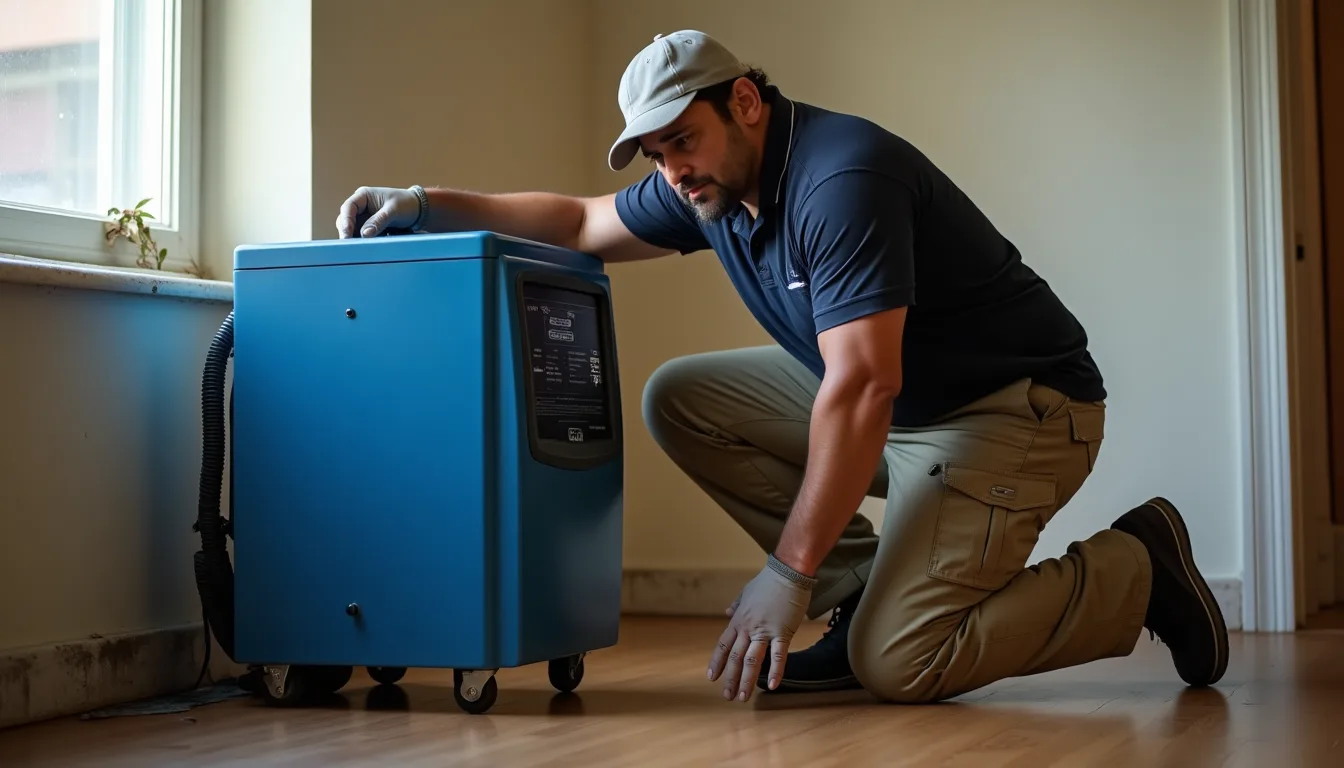
As a Denver homeowner, you may be aware of the challenges posed by Colorado's unique weather patterns—rapid temperature swings, hailstorms, and an aggressive snowmelt in spring. Yet, one area often overlooked in water damage discussions is the crawl space beneath your home. This concealed space can act like a sponge, absorbing moisture and presenting a lurking risk for long-term structural damage. Many local homes, built on expansive clay soils, face additional complications that can exacerbate water issues. Ignoring the signs of water intrusion in your crawl space could lead to costly repairs and health concerns down the line.
Why This Matters for Denver Homeowners
The climate in Denver poses a significant threat to crawl spaces, particularly due to freeze-thaw cycles that can occur in the spring months. These cycles intensify soil movement, often causing shifts that jeopardize the structural integrity of your home’s foundation. As clay expands when wet and contracts when dry, your crawl space can become a breeding ground for mold, mildew, and wood rot if proper drainage is not considered.
Homeowners need to be vigilant, as water damage can also lead to serious health risks associated with mold spores infiltrating living spaces. The nuances of Denver's weather mean that a seemingly minor leak today can escalate into substantial damage tomorrow.
Moreover, the financial implications of neglecting crawl space issues can be staggering. Initial repairs may cost anywhere from $500 to $2,500, but prolonged neglect might lead to more extensive remediation work ranging from $2,000 to $10,000 or more depending on the damage severity.
Expert Solutions & Actionable Tips
1. Regular Inspections are Key
Frequent inspections of your crawl space can prevent minor issues from snowballing into major repair costs. Aim for a thorough check at least twice a year, focusing on insulation, visible water, and signs of mold. Denver homeowners can budget around $100 to $300 for a professional inspection, but the knowledge gained can save thousands in avoidable repairs.
2. Improve Drainage Around Your Foundation
Given the expansive clay soils in Denver, ensuring effective drainage is critical. Consider installing a French drain system around your foundation at an estimated cost of $2,000 to $5,000. This proactive measure can redirect water away from your crawl space and safeguard against future moisture problems.
3. Insulate to Prevent Condensation
Proper insulation minimizes the risk of condensation buildup in your crawl space. Using spray foam insulation can cost between $1.50 and $3.50 per square foot, creating a barrier against external moisture intrusion. Prioritize this in colder months to ensure your crawl space remains dry.
4. Install a Dehumidifier
For persistent moisture problems, consider investing in a crawl space dehumidifier. Units typically range from $800 to $2,000 but offer a critical solution for keeping humidity levels in check, reducing the risk of mold and wood decay significantly, particularly during Denver's humid spring season.
5. Seal Cracks and Gaps
Your crawl space’s integrity can be compromised by tiny cracks or gaps often unnoticed. Sealing these openings with quality waterproof sealants can cost about $5 to $15 per linear foot. This simple fix not only deters moisture intrusion but protects your home’s foundation.
6. Know When to Call a Professional
DIY efforts can be effective for minor issues, but certain scenarios warrant immediate professional attention. When facing excessive standing water, structural damage, or mold growth greater than 10 square feet, expert intervention is crucial. Seeking a pro can typically range from $1,000 to $4,000 depending on the extent of required restoration.
Denver Climate & Local Context
Denver’s climate is characterized by rapid shifts in temperature and heavy precipitation, particularly during spring. These weather patterns often lead to significant snowmelt, which can overwhelm drainage systems, especially in homes built on expansive clay soils. Additionally, city codes mandate proper drainage designs, meaning not following these regulations can lead to drawn-out permit processes during potential renovations.
Further, many older properties in Denver may not have been built with modern waterproofing standards, increasing their vulnerability to water-related issues. Understanding these local building nuances can help homeowners take more proactive measures in preserving their crawl space and thereby, their entire home.
When to Call a Professional
While some water damage issues may appear manageable for DIY fixes, knowing when to call in professionals is paramount. Homeowners should consider professional intervention in several scenarios that can signify severe problems.
- Persistent leaks that do not resolve with minor repairs.
- Standing water in the crawl space that does not subside.
- Structural damage visible in beams or flooring.
- Signs of extensive mold or mildew.
- Water pooling or draining problems around the foundation.
- Unpleasant odors that indicate trapped moisture.
Doing it yourself carries its risks. Adequately assessing your situation can ensure you’re not faced with costs spiraling out of control due to neglected issues.
Frequently Asked Questions
What are common signs of water damage in a Denver crawl space?
Look for wet patches, mold growth, or musty odors. Cracks in foundation walls are another critical sign.
How often should I check my crawl space for water damage?
It's advisable to inspect your crawl space at least twice a year, especially after heavy rain or during spring thaw.
Can water damage in my crawl space affect my home’s value?
Yes, water damage can significantly reduce your home’s value due to the potential for structural issues and mold growth.
What should I do immediately if I find water in my crawl space?
Contact AquaFix Water Damage Restoration right away for a professional assessment and remediation plan to prevent further damage.
Are there permits required for repairs in my crawl space?
Yes, in Denver, certain repairs may require permits, especially if they're related to structural changes or drainage modifications.
Get Expert Water Damage Restoration Service in Denver
If you’re unsure about the condition of your crawl space or have already noticed signs of water intrusion, don’t hesitate to reach out. Contact (719) 223-2075 to speak with AquaFix Water Damage Restoration. Protect your Denver home from the hidden risks lurking beneath your feet.
Our team is equipped to provide swift and effective solutions tailored to Denver’s specific climate challenges. Reach out today to ensure a safer, drier home!
More Articles
How to Choose Between 6 Water Damage Restoration Quotes in Denver
2026-05-02
Water Damage RestorationThe Complete Denver Guide to Water Damage Categories and Classes
2026-05-02
Water Damage RestorationThe Spring Water Damage Restoration Survival Guide for Denver Families
2026-05-02