The Complete Denver Guide to Water Damage Categories and Classes
Published: 2026-05-02 · By AquaFix Water Damage Restoration
Imagine waking up in your Denver home to find water pooling in your basement after a dramatic hailstorm. The sun is shining, but beneath the surface, your walls may be absorbing excess moisture that can wreak havoc on your property. Water damage restoration isn't just about cleaning up spills; it's a complex process that requires understanding the various categories and classes of water damage. Whether it's from melting snowpack in spring or sudden deluges, knowing what you face can mean the difference between a simple fix and a costly renovation.
Why This Matters for Denver Homeowners
For homeowners in Denver, water damage can be particularly troublesome due to the region's unique climate and terrain. Rapid temperature swings often lead to freeze-thaw cycles, which can stress building materials and cause cracks that allow water intrusion. Homes built on expansive clay soils require careful drainage planning, as heavy spring snowmelt can saturate the ground, creating an ideal setting for potential flooding or seepage in basements.
An alarming statistic shows that nearly 20% of homeowners dealing with water damage fail to adequately mitigate their issues, leading to mold infestations and deteriorating structures. Ignoring the warning signs can lead to extensive financial burdens and health risks. Denver's diverse weather conditions make it essential to stay informed about how to respond effectively to water damage.
Tip: Regular inspection of your home's drainage systems and understanding your local rainfall data can help you anticipate problems before they escalate.
Ignoring these factors can spiral into expensive repairs and potential liabilities if mold begins to develop. By recognizing the specific water damage categories and classes, Denver residents can better prepare for challenges posed by their environment.
Expert Solutions & Actionable Tips
1. Understanding Water Damage Categories
The Institute of Inspection, Cleaning and Restoration Certification (IICRC) categorizes water damage into three classes: clean, grey, and black water. Clean water comes from sources like sinks or rain; grey water is slightly contaminated, dealing with washing machines or kitchen sinks; while black water is highly unsanitary, often from sewage. Knowing which category you're facing can determine the restoration process and necessary precautions. For Denver homeowners, even clean water can quickly become a health risk if not acted upon.
2. Identifying Water Damage Classes
Water damage classes reflect the extent of saturation. Class 1 involves minimal wet materials, while Class 3 indicates extensive damage, affecting ceilings, walls, and flooring. In Denver, seasonal weather shifts compound these classes’ effects, necessitating professional inspections. A Class 2 issue, which impacts up to 24 inches of material like drywall, can typically cost between $1,500 and $3,500 to remediate, depending on the damage severity.
3. Tackling Water from Hail Storms
Hail storms can lead to severe water intrusion, especially if roof damage occurs. Investing in durable roofing and prompt inspections post-storm can save homeowners thousands. Costs to repair hail damage roofing can range from $2,000 to $10,000, depending on material and complexity. Be aware: these damages can lead to leaks that escalate water damage issues if unattended.
4. The Role of Snowmelt in Spring
As the Colorado landscape begins to thaw in early spring, homeowners must be vigilant. Snowmelt can saturate soil and overwhelm drainage systems, putting basements at risk for water ingress. A set of functional gutters, downspouts, and proper grading can mitigate risks. Engaging professionals to assess drainage systems may cost around $500 to $1,500 but can prevent much higher restoration costs in the future.
5. Mold Prevention Strategies
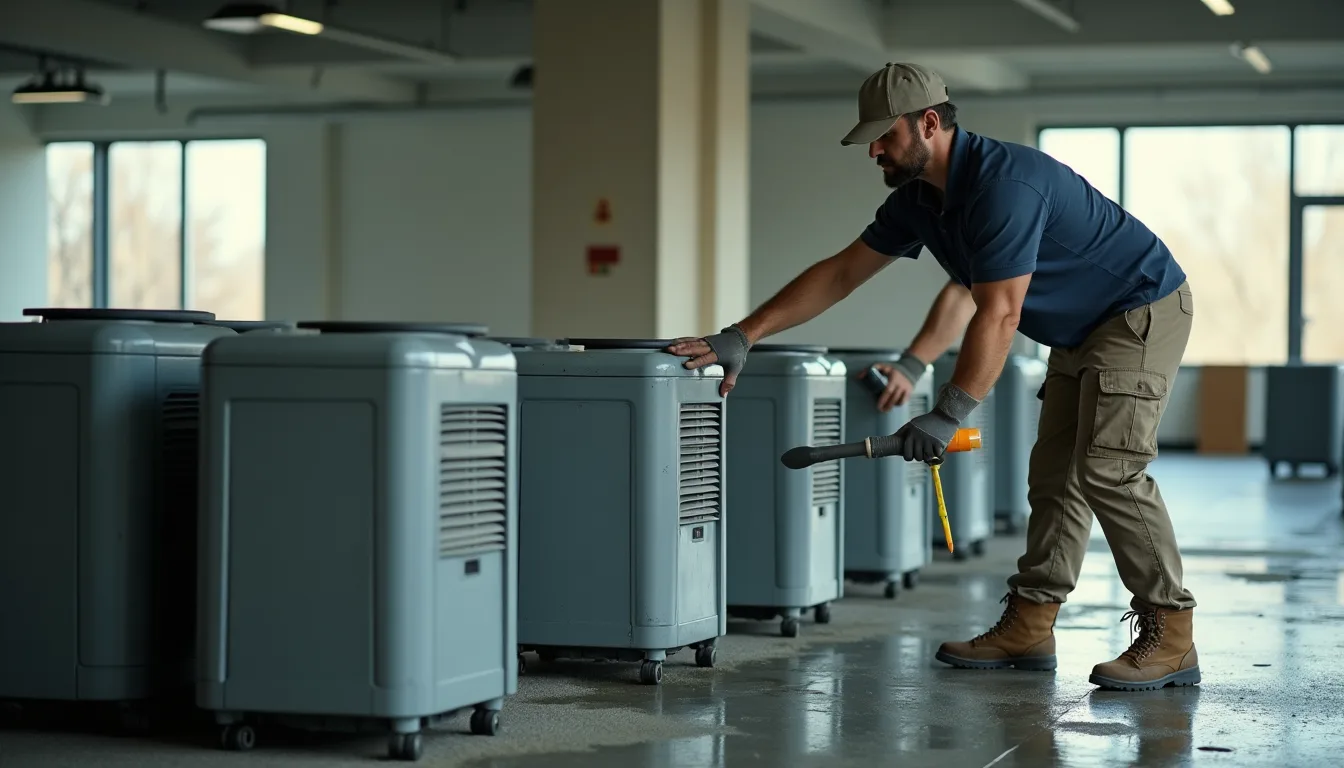
With Denver's stress-inducing climate, mold can start to develop within 24-48 hours if water isn’t addressed. Healthy humidity levels must be maintained, ideally between 30-50%. Using dehumidifiers and ensuring proper ventilation can help, especially in the spring months. Investing in mold-resistant materials during renovations could add an extra $1,000 to $5,000 depending on the scale of the project.
6. When to Contact a Professional
Determining when to call in professionals for water damage is crucial. If damage persists for a few days, don’t hesitate to reach out. Costs for expert services in Denver typically start around $1,000 but vary based on damage extent. Assessing the situation quickly can save you significant expenses in restoration work down the line. Look for visible mold, continual discoloration, or an musty odor as indicators to contact experts.
Denver Climate & Local Context
Throughout Denver, homes vary dramatically due to the mix of historic and modern construction. Many residences sit on expansive clay soils, with drainage systems needing special attention to prevent water pooling. The city’s rapid weather shifts, coupled with springtime freeze-thaw cycles, lead to extraordinary challenges for homeowners; recognizing how these factors relate to potential water damage is essential. Denver building regulations require a waterproofing measure for below-grade structures, thus elevating local building practices.
Additionally, permits may be necessary for certain restoration activities, particularly if they involve structural adjustments or drainage modifications. Familiarizing yourself with local codes ensures that any restoration is compliant and protects your investment.
When to Call a Professional
Many water damage situations appear simple but can hide underlying problems, necessitating professional assessment. If your damage includes structural impact or electrical involvement, it’s advisable to seek experts immediately. Furthermore, water intrusions that routinely occur or show signs of mold growth warrant a professional touch. Below are indicators that you should engage a water damage restoration service:
- Persistent leaks that reoccur despite repairs
- Visible mold or mildew growth
- Severe staining or dampness in walls or ceilings
- Swelling materials like drywall or flooring
- Unexplained odors resembling moisture or decay
- Water intrusion due to heavy rainfall or runoff
Addressing water damage early can have lasting benefits, preserving your home’s integrity and ensuring a safe living environment.
Frequently Asked Questions
How quickly should I address water damage in my Denver home?
It’s critical to act as soon as you notice signs of water damage. In many cases, you have about 24 to 48 hours before structural damage or mold begins to set in.
What are common causes of water damage in Denver?
Common causes include unexpected rain, roof leaks from hail damage, insufficient drainage systems due to local clay soils, and snowmelt during spring—each presenting unique challenges for homeowners.
Do I need a permit for water damage restoration in Denver?
Yes, certain restoration activities, especially those involving structural repairs or modifications, require permits. It's essential to consult local regulations before starting any work.
How can I prevent water damage in my home?
Regular inspections of roofs and drainage systems, clearing gutters, ensuring proper grading, and monitoring signs of moisture can significantly reduce the risk of water damage in Denver homes.
When is a professional restoration service necessary?
If water damage persists after initial mitigation efforts or if there is significant visible growth of mold, it’s necessary to contact a professional like AquaFix Water Damage Restoration to assess and remediate the situation.
Get Expert Water Damage Restoration Service in Denver
Regardless of the type of water damage you face, AquaFix Water Damage Restoration is here to help Denver residents navigate the complexities of restoration. Don’t hesitate to reach out for a consultation; call (719) 223-2075 today and ensure your home is safe and secure.
As a trusted local service, we understand the unique challenges you face and are here to restore your peace of mind amidst Denver's unpredictable climates.
More Articles
How to Choose Between 6 Water Damage Restoration Quotes in Denver
2026-05-02
Water Damage RestorationWhy Your Denver Crawl Space Might Be a Hidden Water Damage Restoration Risk
2026-05-02
Water Damage RestorationThe Spring Water Damage Restoration Survival Guide for Denver Families
2026-05-02