Mold After Water Damage Restoration in Denver: Prevention and Treatment Guide
Published: 2026-05-02 · By AquaFix Water Damage Restoration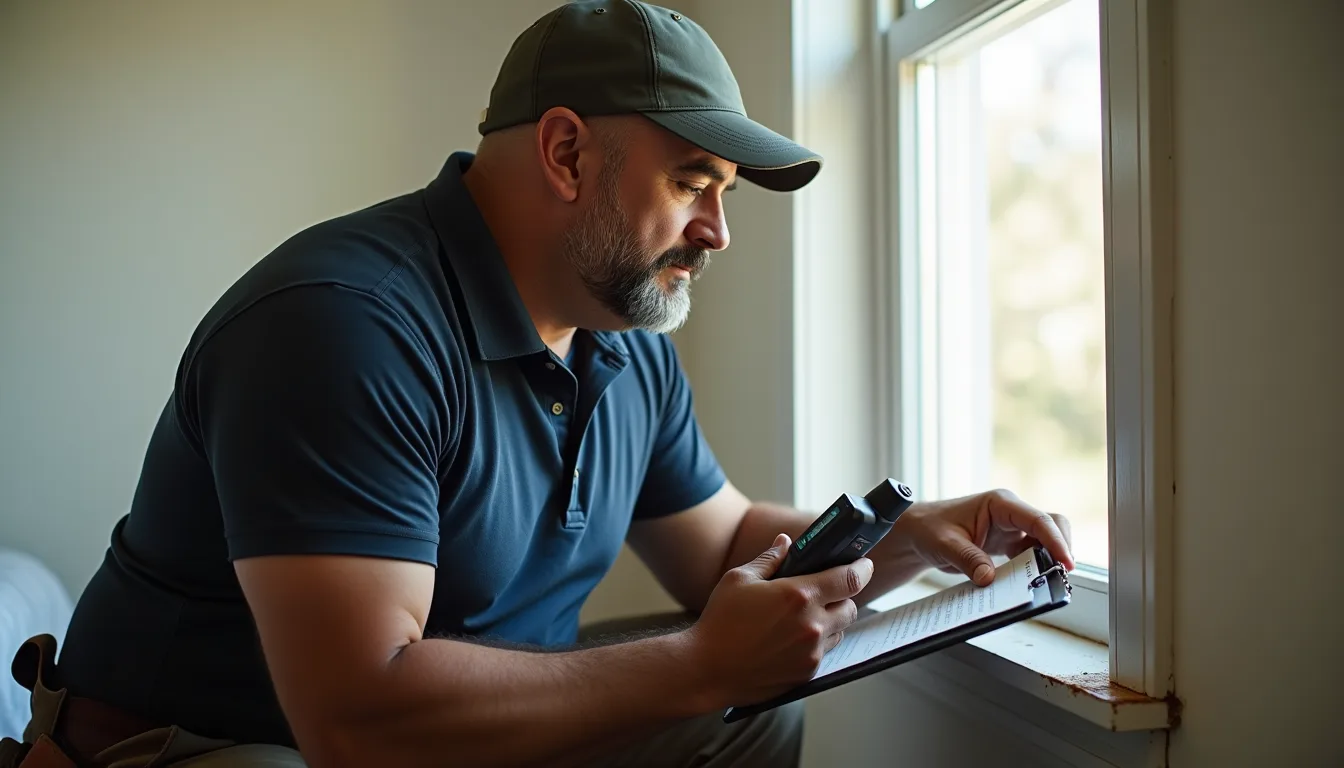
Imagine it's a chilly spring morning in Denver, and you just discovered that melted snow has seeped into your home's foundation. The tricky freeze-thaw cycles combined with heavy precipitation can wreak havoc on your indoor environment, particularly by promoting mold growth after water damage. For Denver homeowners, the rapidly changing weather can lead to serious concerns if water restoration efforts aren't thorough. This isn't just an issue of aesthetics; unchecked mold can affect your health and the structural integrity of your house. Dive into this guide to uncover prevention strategies and treatment options specific to our local climate.
Why This Matters for Denver Homeowners
For residents in Denver, the aftermath of water damage can be especially daunting. The city is known for its diverse weather patterns, where rapid temperature swings lead to moisture obstacles that can foster mold growth. The combination of spring thawing from snow and potential hailstorms can leave homes susceptible to leaks in roofs and basements. Without substantial remediation efforts, mold takes root—feeding off the organic materials often found in our homes, like drywall and wooden beams. Failing to address water damage swiftly opens the door to potential health risks for your family and costly repairs for your property.
The issue is exacerbated for those living in areas with expansive clay soils that require careful drainage systems. If an improper drainage solution is in place, even a light rain could lead to significant indoor moisture, creating a breeding ground for mold.
Warning: If you notice a musty smell or visible mold growth, don't hesitate—prompt action is crucial.
Expert Solutions & Actionable Tips
1. Identify Sources of Moisture
Start by inspecting your home for potential sources of water intrusion. Pay particular attention to areas around windows and doors that might have gaps or cracks. Also, assess your basement or crawlspace and ensure that any plumbing fixtures aren't leaking. Locally, it's common for the clay soils around Denver homes to shift and create new pathways for water. By sealing these openings, you can avoid a recurring problem effectively.
2. Utilize Dehumidifiers
In the aftermath of a water event, deploying dehumidifiers can help significantly reduce excess moisture in the air. You can expect to spend between $200 to $400 for a decent unit that covers multiple rooms, depending on the model. Running a dehumidifier can lower humidity levels to an ideal range of around 30-50%, discouraging mold spores from flourishing. Make sure to monitor humidity levels especially after a heavy snowmelt or rainstorm.
3. Attain Proper Ventilation
Good airflow is your ally against mold. By installing exhaust fans in areas prone to moisture—such as bathrooms and kitchens—you can facilitate improved air circulation. Vent fans generally cost between $100 and $400, plus installation. For homes adorned with newer energy-efficient windows, ensure that they can open easily and consider creating cross-ventilation to maintain a dry interior environment.
4. Regular Inspections and Maintenance
Conducting routine inspections of your home can catch potential problems before they escalate. Hire a professional for an annual check-up, which may cost around $150 to $300. They can identify mold-friendly conditions before they affect your family's health. Remember the climate here, where minor leaks can lead to significant mold growth quickly, can necessitate more frequent inspections during the spring thaw.
5. Professional Mold Testing
If you suspect mold may already be present but can't see it, consider hiring a professional for mold testing. This often runs between $300 and $600 depending on the home size and location of samples. Knowing the specific type of mold involved can guide tailored remediation strategies, particularly in a city influenced heavily by seasonal moisture problems.
6. Use Mold-Resistant Materials
When renovating or repairing spaces in your home prone to moisture, selecting mold-resistant materials, like Fiberglass insulation or mold-resistant drywall, is essential. Though these may cost slightly more upfront—roughly 10% more than traditional options—they can save you hefty remediation costs by preventing mold from taking hold. Investing in these materials is particularly wise given our climate's propensity for heavy snows and humid springs.
Denver Climate & Local Context
Denver's unique climate poses special challenges for homeowners when it comes to water damage and mold prevention. The variable weather, including intense snowstorms followed by rapid melting, creates an environment ripe for water-related issues. Properties here, particularly those built with expansive clay soils, need tailored drainage solutions to mitigate water intrusion. Furthermore, local building codes often recommend specific moisture control measures, contributing to the complexity of water damage restoration. Homeowners must be vigilant, especially around the spring thaw, when moisture levels can peak and strain a structure's stability.
Local regulations regarding restoration services are fundamental as well. When seeking a water damage restoration service, ensure they comply with Denver's building codes, especially concerning mold remediation procedures. Understanding these local nuances can save time, effort, and money during the restoration process.
When to Call a Professional
Knowing when to handle a situation on your own versus when to seek a professional can mean the difference between a minor inconvenience and a larger, costlier issue. Many homeowners might feel empowered to tackle minor water damage, but certain situations can signify the need for experts. Temperature fluctuations can hide a range of problems that could warrant professional input.
- If you've dealt with several previous incidents of water damage.
- Visible mold growth is apparent, especially if over 10 square feet.
- Persistent musty odors that remain after cleanup.
- Your home was affected by flooding or significant weather events.
- Building materials feel structurally compromised or warped.
- Water stains are present without clear reasons.
- Location of the water issue includes large areas or hard-to-access spaces.
In these cases, calling in AquaFix Water Damage Restoration can ensure that all aspects of water damage and potential mold are thoroughly addressed, preserving your home’s safety and integrity.
Frequently Asked Questions
What causes mold to grow after water damage?
Mold thrives in environments where moisture is present, making Denver's spring thawing perfect conditions. After a leak or flood, if moisture levels remain high for 24-48 hours without prompt action, mold can begin to develop.
How can I tell if there’s mold in my home?
Watch for visible patches, especially in damp areas. Additionally, musty odors or discoloration on walls or ceilings can also indicate mold presence, often requiring professionals to assess the situation fully.
What are common signs of water damage?
Indicators include unexplained stains on ceilings or walls, warped floors, peeling paint, or sudden spikes in your water bill. Each of these signs signals that you may need to evaluate your home for underlying water issues.
Are there preventative measures I can take before water damage occurs?
Yes, regular maintenance of gutters and ensuring proper grading around your property can divert water away from your home, helping to prevent future damage especially significant in heavy storm seasons.
How long does it take to restore a home after water damage?
The restoration timeline can vary based on severity but typically lasts between a few days to several weeks. Timeliness is critical, especially during the spring thaw when conditions are ripe for mold to take hold if not addressed promptly.
Get Expert Water Damage Restoration Service in Denver
If you've recently experienced water damage in your Denver home, it's essential to act quickly to prevent mold growth. AquaFix Water Damage Restoration is here to assist you with expert services and local knowledge. Reach out today to ensure your home remains safe and healthy.
Don't delay—contact us now at (719) 223-2075 for reliable and efficient mold prevention and treatment tailored to your home’s needs!
More Articles
How to Choose Between 6 Water Damage Restoration Quotes in Denver
2026-05-02
Water Damage RestorationWhy Your Denver Crawl Space Might Be a Hidden Water Damage Restoration Risk
2026-05-02
Water Damage RestorationThe Complete Denver Guide to Water Damage Categories and Classes
2026-05-02