How Denver Building Materials Affect Water Damage Restoration Recovery Time
Published: 2026-05-02 · By AquaFix Water Damage Restoration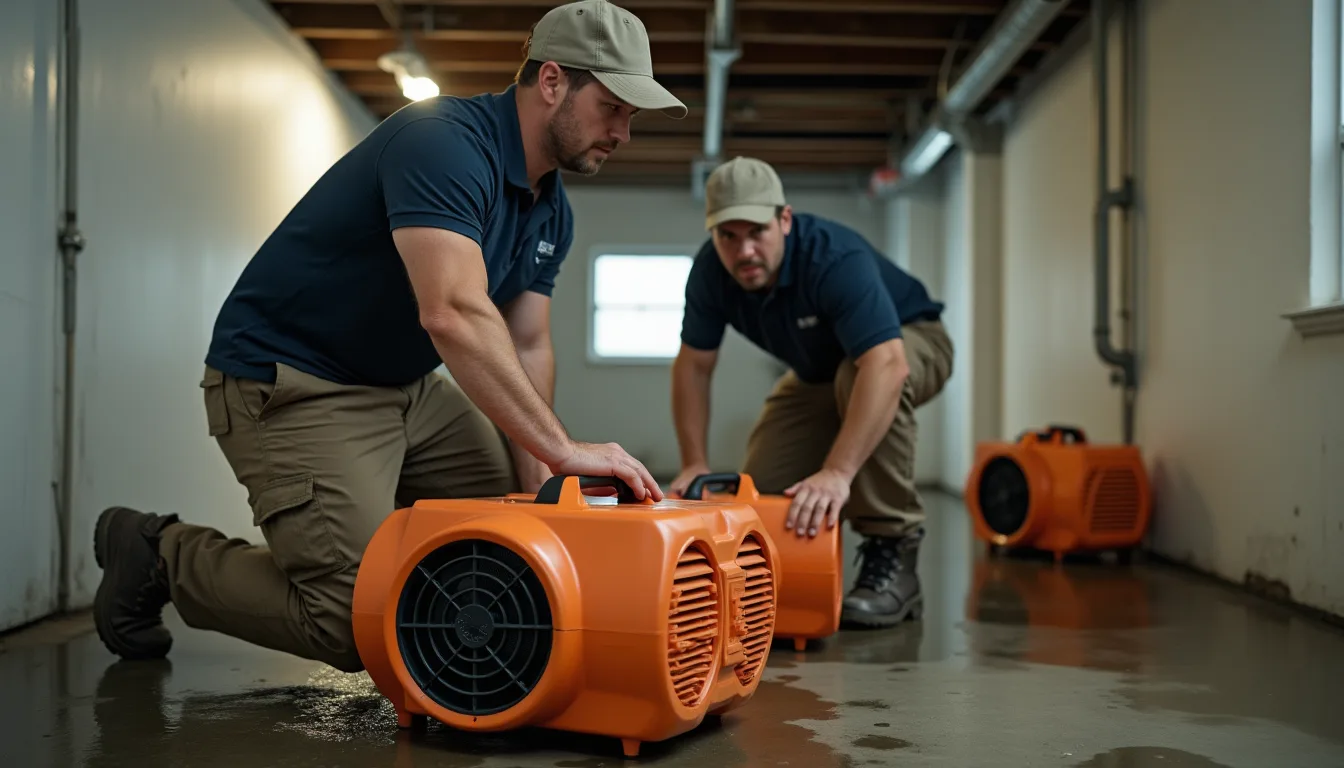
Imagine waking up in Denver to find that your basement has turned into a swimming pool after a sudden hailstorm. Unfortunately, this is not an uncommon sight for homeowners in our city. With its rapid temperature swings and heavy snowmelt each spring, Denver can be a minefield for potential water damage. The types of building materials used in homes here can determine how quickly, and effectively, your water damage restoration process goes. What materials are those, and how do they affect recovery time? Let’s dive in.
Why This Matters for Denver Homeowners
Water damage isn't just a nuisance for homeowners; it can lead to significant structural issues if not addressed quickly. In Denver, homes are often constructed on expansive clay soils that can exacerbate water problems. These soils shift with temperature changes, creating additional risks for damage during the freeze-thaw cycles of spring. Gradually, water can seep into walls, ceilings, and floors, compromising the structural integrity of your home.
Add in the frequent hail storms and the potential for significant snowmelt, and you have a recipe for disaster. Without immediate action, homeowners can face costly repairs topping $10,000 or more, depending on the extent of the damage. Local codes also emphasize the importance of quick restoration—failure to comply with them can lead to fines and extended recovery times.
Ignoring the importance of prompt action can lead to mold growth within 24-48 hours, another issue that brings its own challenges and financial burden. Thus, taking a proactive approach is crucial for preventing long-term damage.
Expert Solutions & Actionable Tips
1. Know Your Building Materials
The type of materials used in your home significantly affects restoration timelines. For example, drywall can absorb water quickly but is usually replaced within 24-48 hours to prevent mold. Hardwood flooring, while aesthetically pleasing, may require several days for proper restoration, costing around $1,000–$3,000 depending on the area.
Your crawl space's construction can also impact recovery times. If it's poorly ventilated, it can take longer for moisture to evaporate, leading to potential mold issues. Regular checks can mitigate extensive damage.
2. Assessing Damage After a Hail Storm
In Denver, hail can wreak havoc on your home. If you find leaks post-storm, act quickly. Use a dehumidifier to speed up drying; it can reduce overall costs—typically between $200-$600—as it prevents further water absorption.
Documenting damage through photographs can aid with insurance claims. Be ready to provide evidence as soon as possible to minimize processing delays.
3. Snowmelt: A Spring Concern
As temperatures rise in spring, melting snow can pose serious threats. Evaluate your gutters regularly; clogged gutters can lead to backup water pooling around your foundation. This preventive strategy costs about $100-$300 annually but can save thousands in costly repairs.
Ensuring proper grading of your yard also keeps water away from your home—a cost-effective long-term solution to water intrusion.
4. Understanding Local Building Codes
Each city has specific requirements for restoration work. In Denver, permits for substantial water damage restoration are often mandated. Not adhering can result in fines or a longer recovery period.
Before starting any repair, check with local municipal guidelines. While it may seem like an extra step, it helps streamline the process and keeps your home compliant.
5. When to Replace Versus Repair
Sometimes, replacing materials is the best option. For example, carpets soaked with contaminated water should generally be replaced—this carries costs of up to $5 per square foot. In contrast, repairing damaged drywall might only run about $50-$150 per sheet.
Consult a professional to evaluate what's salvageable. It can minimize costs and ensure that your home is safe for occupancy.
6. Benefits of Calling a Pro
When facing extensive water damage, professionals can often respond faster than DIY attempts. Often, contacting experts can lead to restoration timelines of only a few days, tailored equipment and forensic teams can eliminate hidden water that DIY efforts might miss.
AquaFix Water Damage Restoration provides thorough assessments and quotes, effectively saving both time and potential costs—schedule an evaluation to stay ahead of potential issues.
Denver Climate & Local Context
Denver’s unique climate presents specific challenges regarding water damage. The rapid temperature fluctuations can cause extreme stress on building materials, particularly during the spring freeze-thaw cycles. Many local structures are built atop expansive clay soils, which shift and expand, influencing drainage practices crucial for maintaining the integrity of the home.
Hail storms are common in the area, further complicating the challenges. Water intrusion can occur quickly, particularly if preventative measures aren’t in place. Understanding these local factors—alongside municipal regulations—will equip homeowners to better anticipate potential water issues and their solutions.
When to Call a Professional
When tackling water damage, knowing when to reach out for professional help can save time and money. Some emergencies may seem manageable but can get out of hand quickly, risking extensive damage.
- Visible mold growth on walls or ceilings
- Water pooling that hasn't receded after a day
- Visible water stains that continue to grow
- Soggy carpets with odors
- Signs of structural compromise, like sagging
- Contaminated water exposure
- Heavy water damage from a recent storm
In these scenarios, professional services ensure thorough, safe, and efficient restoration tailored to local conditions, making them the best choice over DIY solutions.
Frequently Asked Questions
How long does it typically take to restore water damage in Denver?
The timeline can vary widely, but most water damage restorations in Denver typically take between three to seven days, depending on the extent of the damage and the materials involved.
What types of insurance cover water damage restoration?
Homeowners' insurance usually covers water damage, but it can depend on the source. Be sure to check your policy for specifics, especially regarding flood vs. other forms of water damage.
Can AquaFix help with insurance claims?
Yes, AquaFix Water Damage Restoration assists homeowners in navigating the insurance process, ensuring you have the necessary documentation and evidence to support your claim.
Is mold a concern in water-damaged homes?
Absolutely. Mold can start to develop within 24-48 hours after water intrusion, making quick response essential to prevent health issues and further damage.
What is the first step to take when discovering water damage?
The first step is to ensure safety. Shut off any power sources and avoid using electrical appliances. Then, contact a professional like AquaFix Water Damage Restoration for immediate assistance.
Get Expert Water Damage Restoration Service in Denver
If you're facing water damage, don’t wait until it’s too late. AquaFix Water Damage Restoration is here to help, expertly navigating the unique challenges Denver homeowners face. Give us a call at (719) 223-2075 today!
Our team is ready to assist and ensure that your home is restored safely and effectively, helping you regain peace of mind.
More Articles
How to Choose Between 6 Water Damage Restoration Quotes in Denver
2026-05-02
Water Damage RestorationWhy Your Denver Crawl Space Might Be a Hidden Water Damage Restoration Risk
2026-05-02
Water Damage RestorationThe Complete Denver Guide to Water Damage Categories and Classes
2026-05-02